Table of Contents
- Klasemen Grup C Kualifikasi Piala Dunia 2026 Zona Asia: Peluang Naik ...
- Jadwal Matchday 4 Kualifikasi Piala Dunia 2026 Zona Asia 15-16 Oktober ...
- Daftar Lengkap Pemain Termahal dari Lawan Timnas Indonesia di Ronde 3 ...
- Daftar 48 Negara yang Bakal Berlaga di Piala Dunia FIFA 2026 - Citizen6 ...
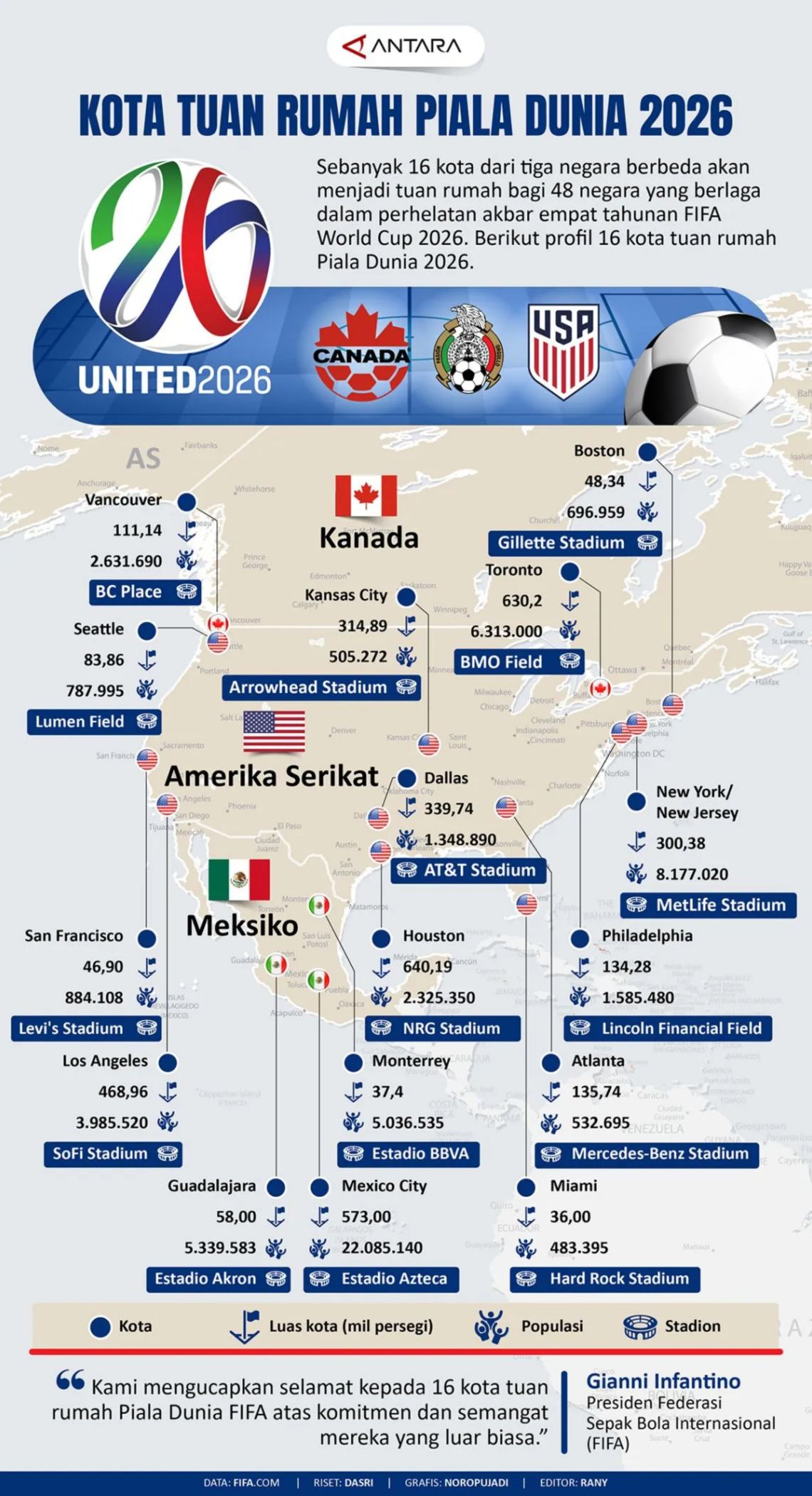
- Piala Dunia 2026 di negara mana? - Infografik ANTARA Mataram
- The world's population is expected to reach 10.3 billion people in the ...
- How Much People Are In The World In 2024 - Diann Florina
- What Will The World Look Like In 2026
- Piala Dunia 2026 di negara mana? - Infografik ANTARA Mataram
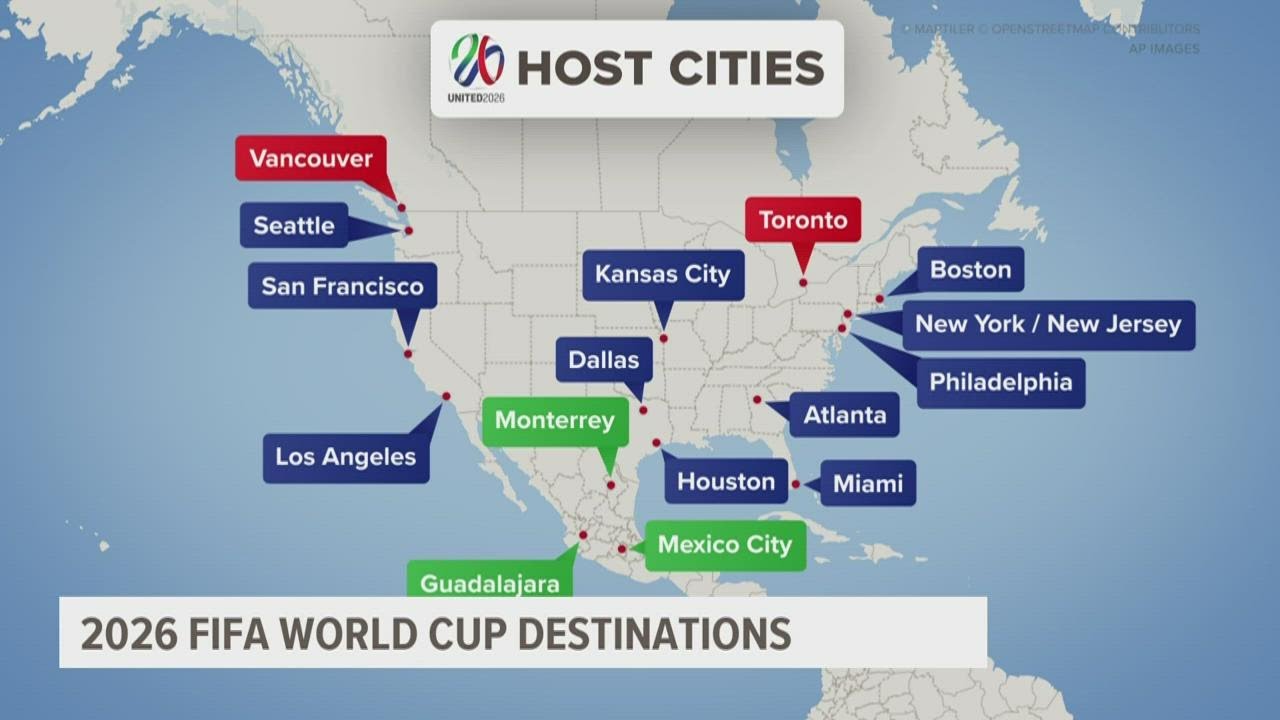
- 2026 World Cup

:strip_icc():format(webp)/kly-media-production/medias/4864008/original/010893700_1718368393-Timnas_Indonesia_-_Timnas_Indonesia_di_Fase_ketiga_Kualifikasi_Piala_Dunia_2026_copy.jpg)
Historical Context: 1960-2020



Projections: 2020-2025
:strip_icc():format(webp)/kly-media-production/medias/4877048/original/073794900_1719490751-Kualifikasi_Piala_Dunia_2026_-_Ilustrasi_Grup_C_copy.jpg)
Factors Contributing to Population Growth
Several factors have contributed to the rapid growth of the world population since 1960. Some of the key drivers include: Improved healthcare: Advances in medical technology, vaccination programs, and better access to healthcare services have led to a significant decline in mortality rates, particularly among children and infants. Increased food production: The Green Revolution of the 1960s and 1970s led to a substantial increase in food production, reducing hunger and malnutrition, and enabling populations to grow. Urbanization and migration: The movement of people from rural to urban areas and across borders has contributed to population growth, as urban centers often have better access to healthcare, education, and economic opportunities.:strip_icc():format(webp)/kly-media-production/medias/4160725/original/063119000_1663316839-000_DV90955.jpg)
Implications of Population Growth
The rapid growth of the world population has significant implications for the environment, economy, and society. Some of the key challenges include: Resource depletion: The increasing demand for resources such as water, food, and energy poses a significant threat to the environment and global sustainability. Climate change: Population growth contributes to greenhouse gas emissions, deforestation, and pollution, exacerbating climate change and its associated risks. Socioeconomic inequality: The unequal distribution of resources, opportunities, and services can lead to socioeconomic inequality, poverty, and social unrest. In conclusion, the world population has undergone significant growth since 1960, driven by improvements in healthcare, sanitation, and living standards. As the population continues to rise, it's essential to address the challenges associated with growth, including resource depletion, climate change, and socioeconomic inequality. By understanding the trends and factors contributing to population growth, we can work towards creating a more sustainable, equitable, and prosperous future for all.Source: MacroTrends
This article is for informational purposes only and is not intended to provide investment or financial advice. The views and opinions expressed are those of the author and do not necessarily reflect the views of MacroTrends or any other organization.